Week 11: Group Assignment
Akarsh Raghunath and Karen Kramer
HARVARD MUSEUM OF ETHNOMUSICOLOGY
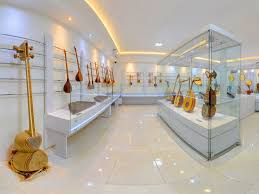

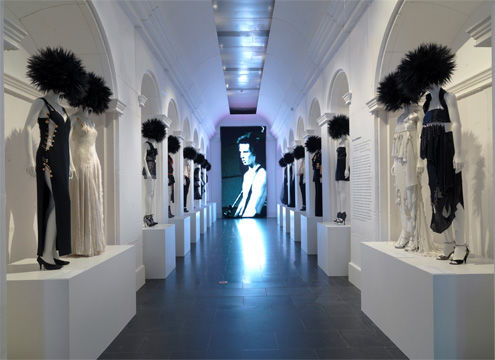

Mission and vision statement:
The Harvard Museum of Ethnomusicology (HME) specializes in engagement, support and promotion of knowledge related to the production, presentation, appreciation and preservation of music from different cultures across the globe The Museum collects, preserves, interprets, and makes accessible tangible and intangible ethnomusicological heritage and offers unique opportunities for innovative exhibitions, teaching, research, and enrichment with musicians and performing artists from around the world. Through interactive technology, immersive exhibition environments, and dynamic programs, HME brings the Harvard community together through music and culture, making connections across time, space, and worldview.
Brief history:
Founded in 2020 by Akarsh Raghunath and Karen Kramer, and recognized as a “Landmark of Music and Culture from around the world,” HME houses more than 15,000 instruments, textiles and fashion, photographs and archives that relate to global ethnomusicology.
Building
Location:
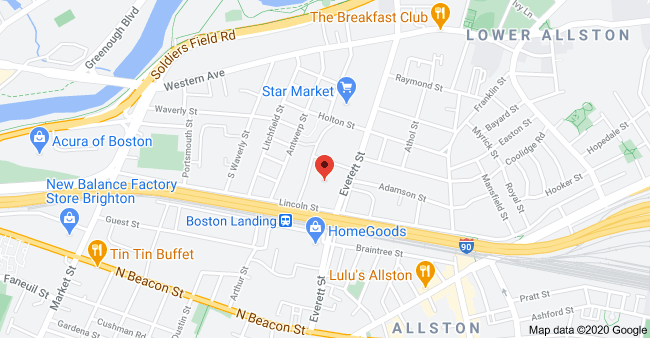
176 Lincoln Street, Brighton, MA
Size:
HME will occupy 40,000 square feet total, making it a small- to mid-sized museum.
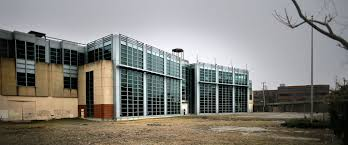
As of June 2019, Harvard University tapped Boston-based Berkeley Investments as a partner to redevelop 176 Lincoln St., a vacant property spanning nearly half a million square feet that Harvard has owned since 2006 on Mass Pike. The building was home to Globix Corp. before its bankruptcy.


Arrangement of space:
Two upper floors will be devoted to gallery space for permanent and temporary exhibitions. A small cafe overlooks the grounds and amphitheatre from the mezzanine. To accommodate the program, the building extended two levels below ground: the first holds the auditorium and classrooms; the second housed the Museum’s offices, library, collection center, and archive. At street level is the Museum store and coffee house, accessible during non-museum hours via a separate entrance.
Food service + coffeehouse:
Cafe:
A small, light-filled cafe overlooks the grounds and amphitheatre from the mezzanine. It is the perfect spot for coffee, lunch, or a glass of wine. Menu selections include fresh salads, seasonal soups and sandwiches, avocado toasts, Greek yogurt bowls, and fresh baked pastries. Cash bar includes a selection of fine wines, beer, and a signature cocktail.
Coffeehouse:
Experience music while sipping espresso, coffee, tea, or smoothies in the HME Coffeehouse. Food offerings include freshly baked goods, quiche, soups, and bread. Open mike programming in the evening, and photographs of musicians will rotate on coffeehouse walls.


Indoor Auditorium:
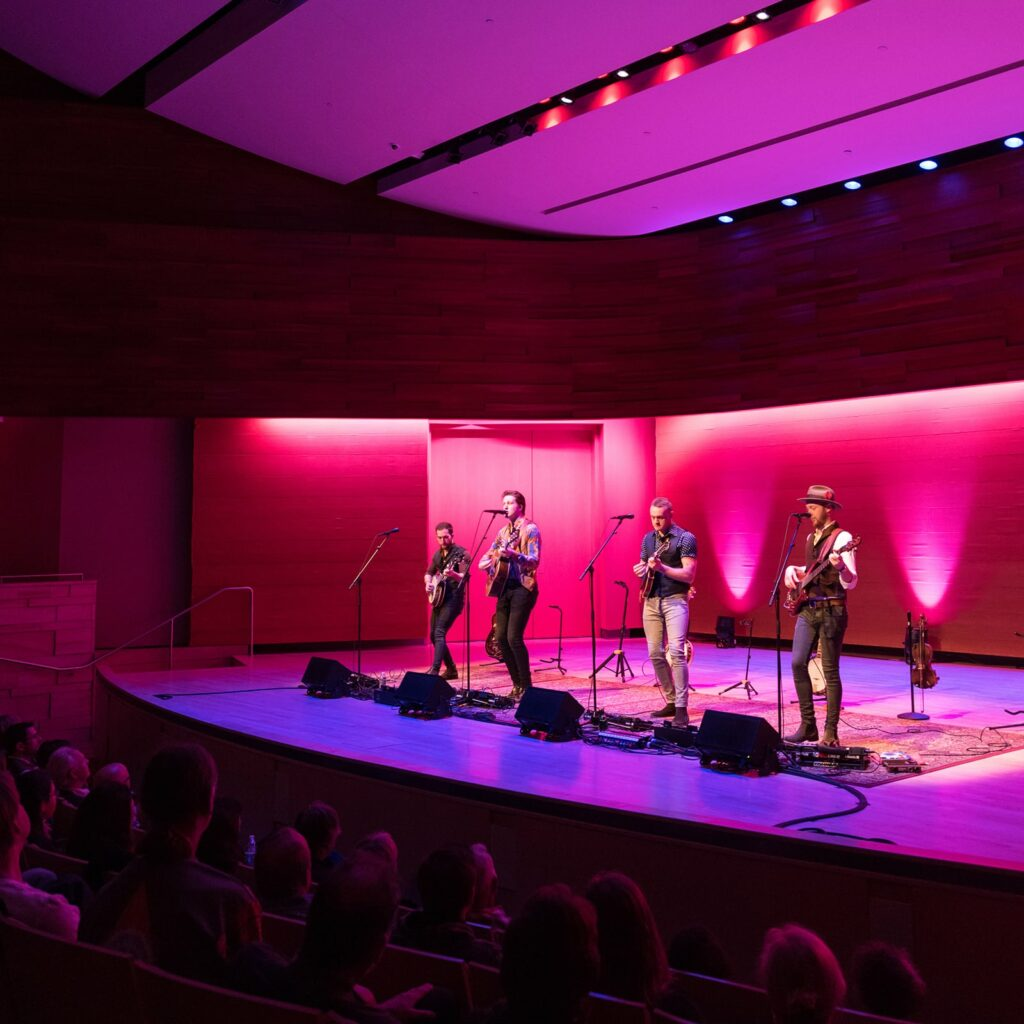
200 seats, stage, green room, latest in technology, equipment, and lighting.

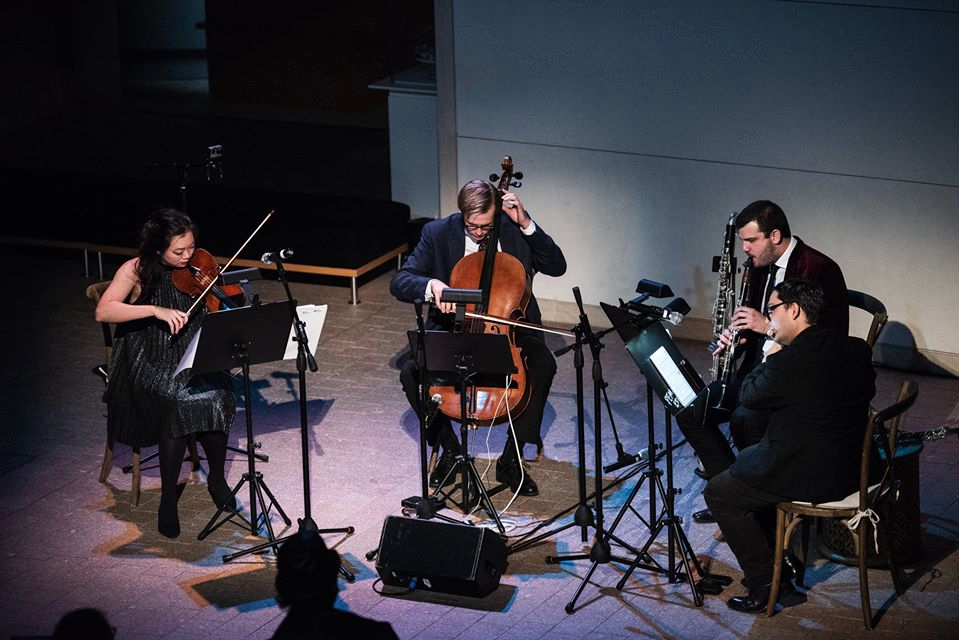
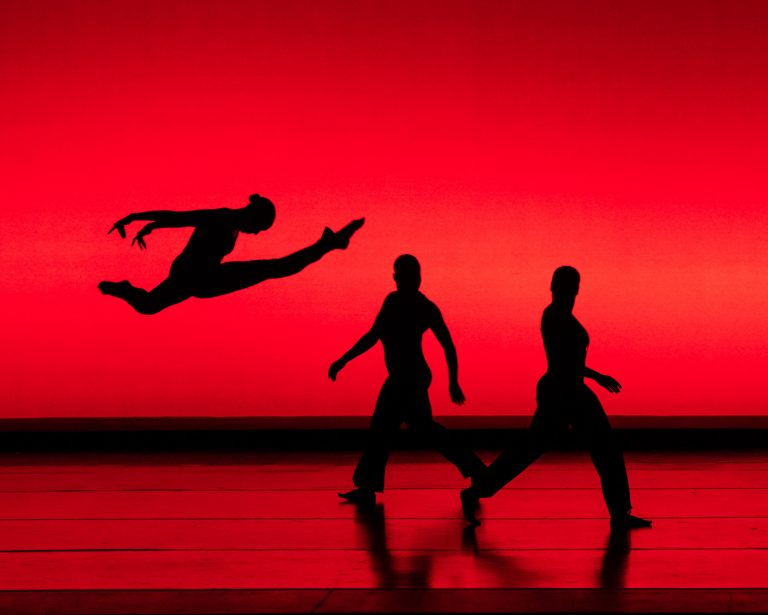

Outdoor Amphitheatre:
All performances in our 400-seat outdoor Amphitheater are free.

Museum Store:
Here you’ll find an assortment of ethnomusicology-related books, accessories, cards, jewelry, small gifts, and music by world-renowned musicians, bands, and exciting emerging artists to perform classical masterpieces, contemporary pieces, and everything in between.
FUNDING + REVENUE
Endowment:
HME has created an Endowment Fund in order to provide for the long-term funding of the institution This permanent fund will build on annual private support and foundation gifts.
VIP membership + membership at various levels:
Donors who support the mission of the HME with a gift of $3,500 or more will be granted access to the special events and privileges of the HME Group. As the museum’s key ambassadors, members enjoy insider access, from behind-the-scenes tours with curators to distinctive special events. By providing meaningful support, the HME Group enables the museum to present special exhibitions, provide free programs for our community, and strengthen our collections.
Other membership levels include: individual, student, household, sponsor, patron, benefactor, and institutional (school, library, university), starting at $35/year.
Grant / foundation support:
HME pursues foundation support for project grants, programming, and collaboration with school groups.
Annual Fund:
Your Annual Fund gift enables the HME to share world-class art, educational offerings, and programs that benefit our community. The unrestricted Annual Fund enables the museum to deliver diverse exhibitions and comprehensive public programs. The Annual Fund supports our comprehensive social impact programs. Your Annual Fund gift enhances the experience of visitors, including K-12 students.
Planned Giving:
Remember the HME in your long-term plans through a bequest in your will or trust, or through a charitable gift annuity. There are many options available, including: bequest, gift of retirement plan assets, charitable gift annuity, gifts of real estate, and gifts of art.
Corporate Partnerships:
Corporate partners enjoy benefits like free employee admission, VIP invitations, and exclusive entertaining venues. And you support the valuable educational and community programs at the museum. Corporate partners can underwrite an exhibition, special event, educational project, or program(s). Support levels start at $10,000.
Attendance + events:
We aim to have between 200-250,000 visitors each year, between special exhibitions, permanent exhibitions, and special events, including auditorium performances and open mikes.

Staff structure
Executive Director / C.E.O.
Director of Development
Major gifts, Membership, Grant writer(s) / Institutional Giving
Chief Curator
Region specific curators of music, fashion, and performance art; curatorial and research assistants
Director of Education
Programming staff, museum interpretation, outreach
Director of Operations
Accounting, finance
Director of Facilities and Maintenance
Building maintenance, security, visitor services
Director of Registration
Exhibition coordination, acquisitions, shipping, records management
Director of Collections Management
Conservation, database
Exhibitions
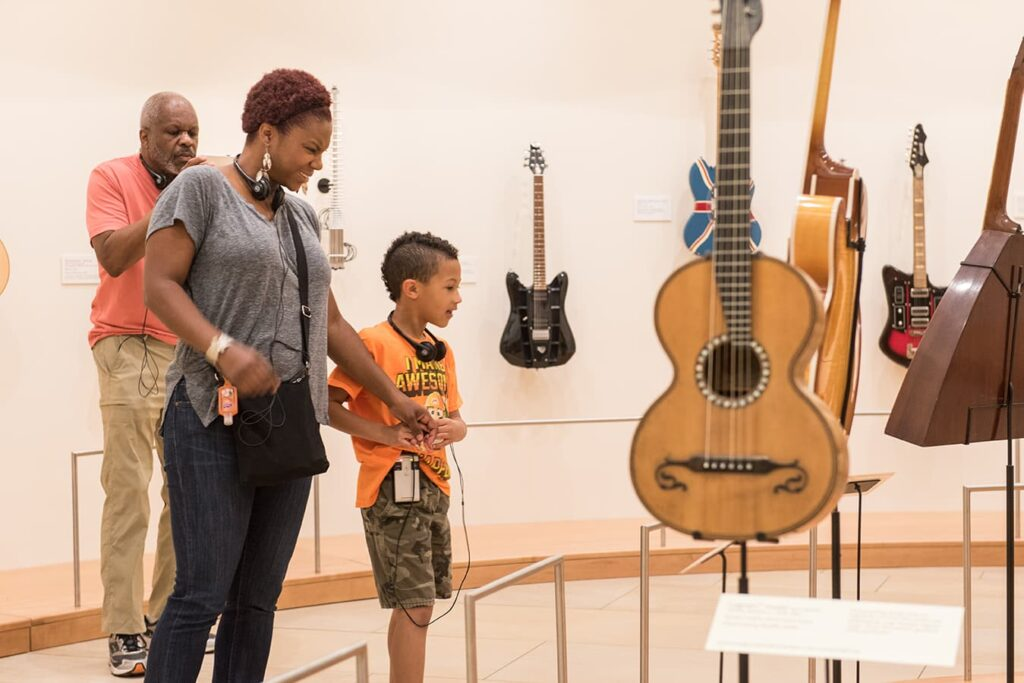
3-5 Permanent installations, including an Experience Gallery
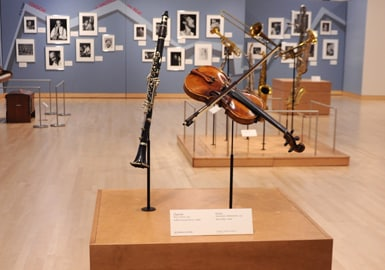
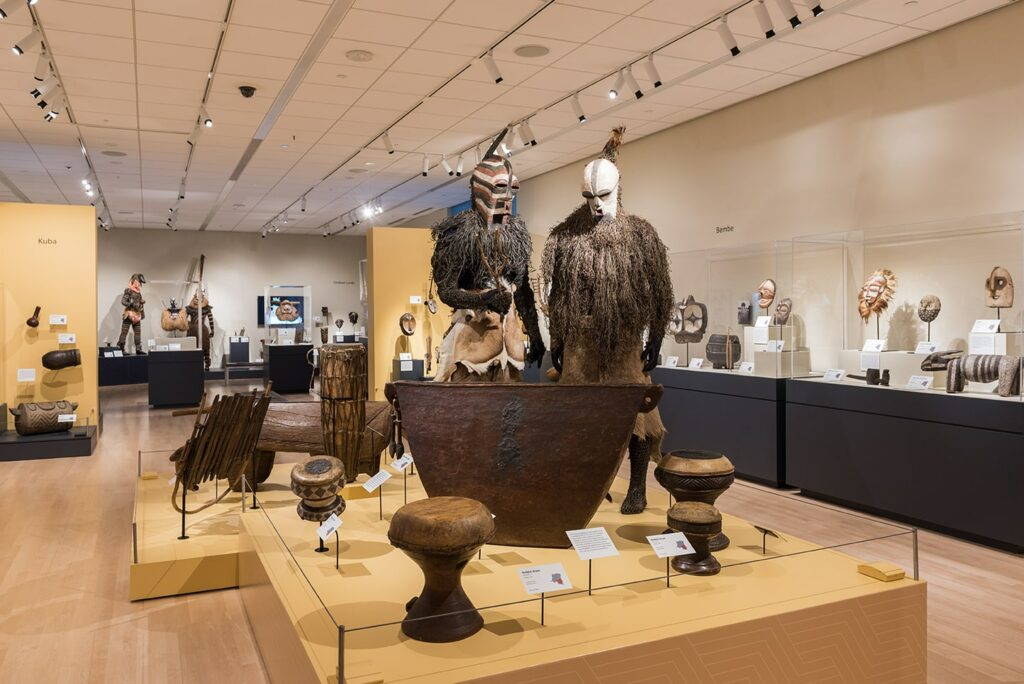

2 Changing exhibitions / year.
Possible examples include:

1960s Rock Poster exhibition (reference image)
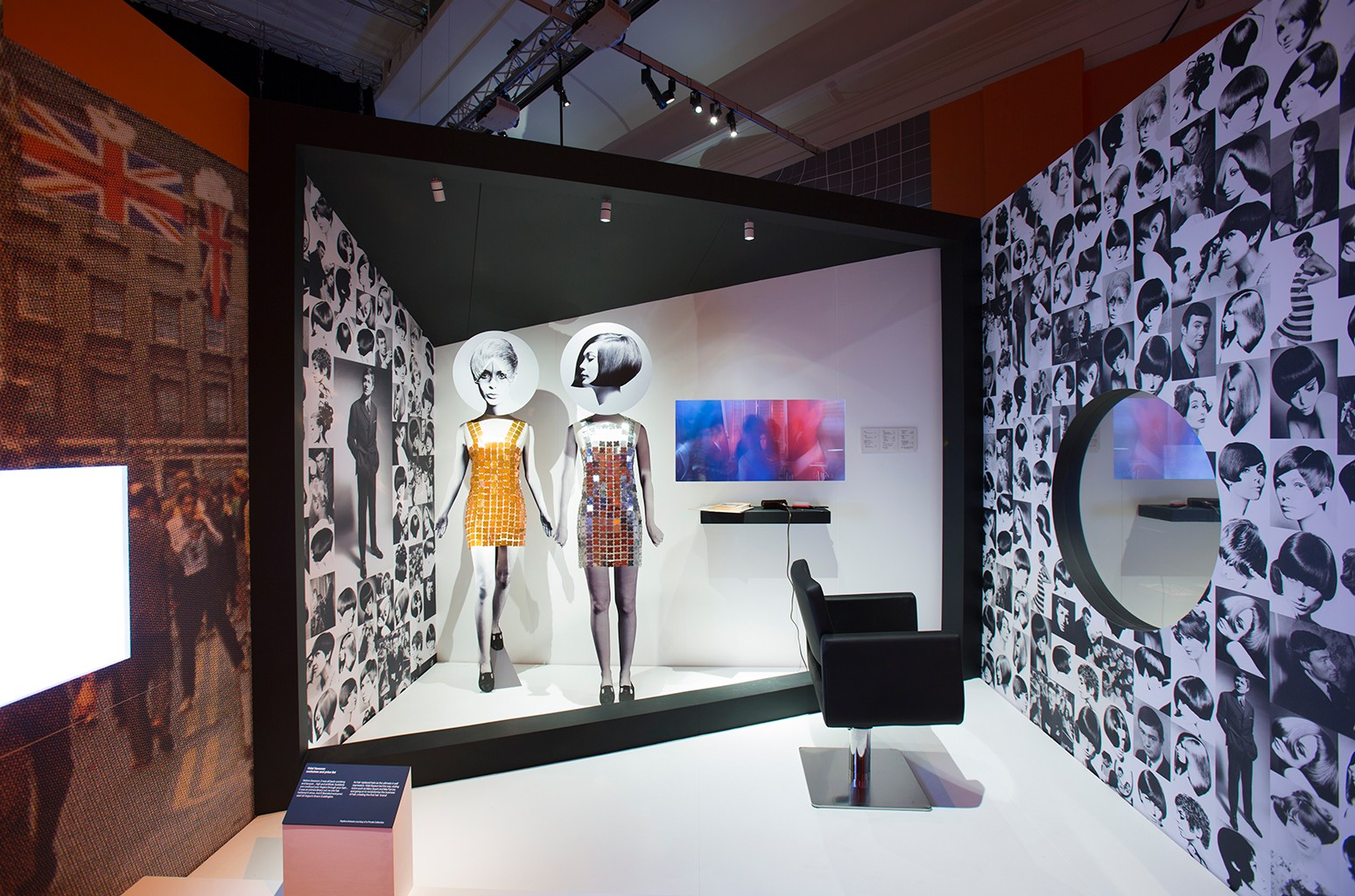
Fashion in Music exhibition (reference image)
Programs
Online programs + On-site:
Film, music, performance art
Lectures and courses
Gallery tours
Patron programs
Age-groups - children, teens, 20-somethings, families, college, adults, community
School learning
Comments
Post a Comment